
Have you ever thought about how your clothes affect the planet? Our growing wardrobes have a big environmental cost.
Choosing sustainable fashion in India is key for today’s shopper. It lets you support local traditions and protect nature.
By picking eco-conscious consumerism in India, you can make a big difference. Choose quality over many cheap items. Start changing your closet today.
Key Takeaways
- Understand the environmental impact of your daily clothing choices.
- Learn to balance global green standards with local cultural heritage.
- Discover how to prioritize quality items that last for years.
- Reduce your personal carbon footprint through mindful purchasing habits.
- Support ethical production methods that benefit local artisans.
The Current State of Sustainable Fashion in India
You are at a crossroads. Here, old textile traditions meet new ethical choices. The rise of sustainable fashion in India shows people want to spend wisely. This change is key for India’s textile future.
The Shift from Traditional Craft to Modern Consumption
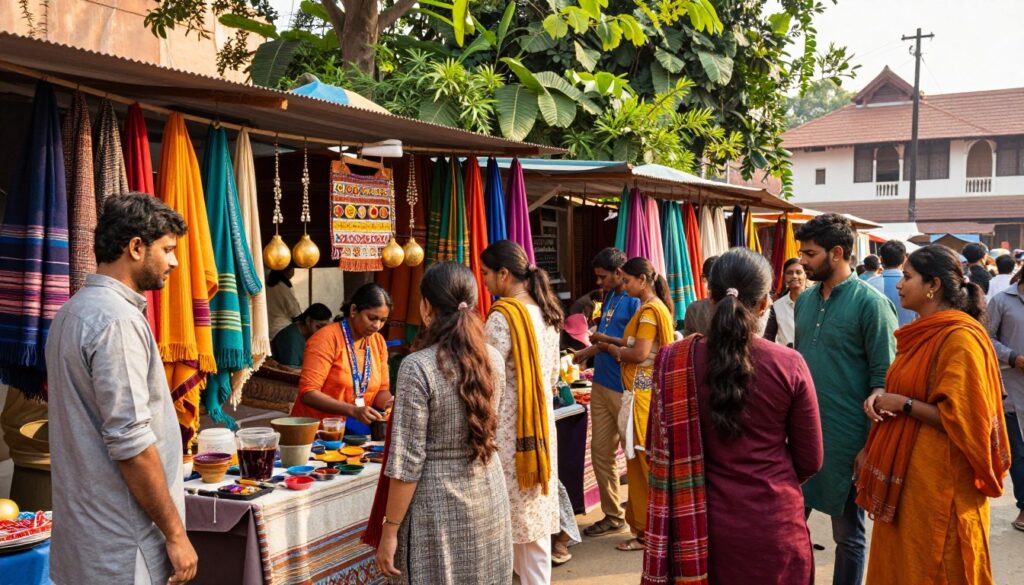
For ages, India made clothes that lasted forever. Now, the indian sustainable fashion industry is bringing back this tradition. People are choosing to value the hands that make their clothes over fast production.
This change means better quality. By picking handloom or organic, you help local jobs and keep old skills alive. It’s a choice for lasting value over quick, cheap clothes.
Why Fast Fashion is Failing the Indian Market
Fast fashion wants to sell lots of clothes fast. But this doesn’t match the goals of the indian sustainable fashion industry. Cheap, synthetic clothes often fall apart quickly. This leads to waste that hurts your wallet and the planet.
Also, ethical fashion movements in India show the real cost of cheap clothes. When we buy too much, we support bad labor and waste resources. These ethical fashion movements in India show that style can be kind to the earth.
Defining Your Personal Ethical Standards
Starting your journey to a better closet means setting your own rules. As ethical fashion movements in India grow, your choices can change the world. Every piece of clothing you buy should show you care about the planet and people.
Identifying Your Core Values in Clothing
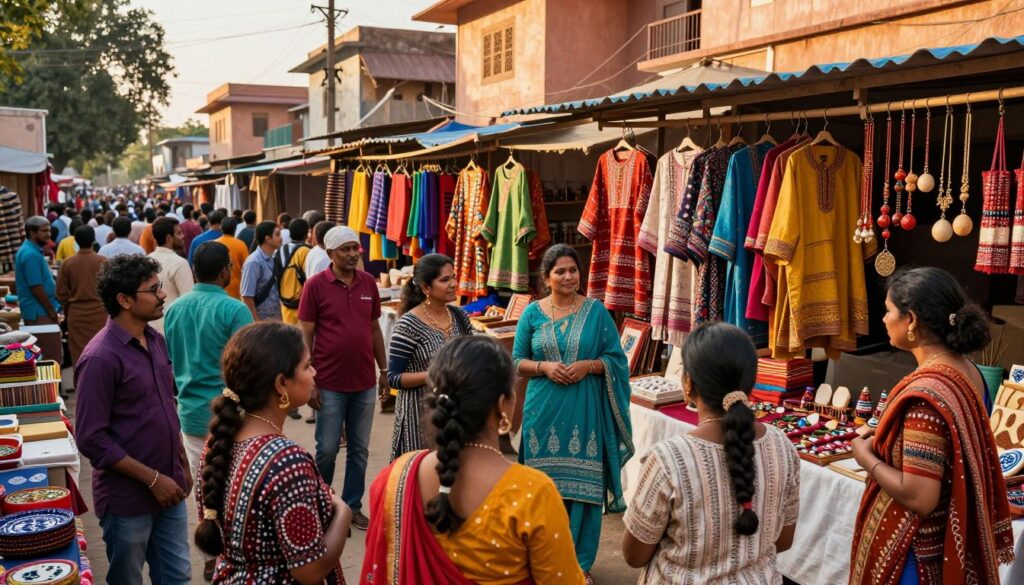
First, think about what matters to you. Do you want clothes made fairly, from organic stuff, or by local artists? Look for ethical clothing brands that share their making process with you.
Here are key things to check in a brand:
- Labor Transparency: Is the work fair and safe?
- Environmental Impact: Are they kind to the earth?
- Longevity: Does the item last long?
Balancing Affordability with Ethical Production
Many think green fashion is pricey. But, you can follow ethical fashion trends without spending a lot. Focus on buying a few, high-quality items that you can wear often.
Here’s how your choices affect your wallet and values:
| Feature | Fast Fashion | Ethical Fashion |
|---|---|---|
| Cost Per Wear | High (because it doesn’t last) | Low (because it’s made to last) |
| Labor Standards | Often hidden or unfair | Open and fair |
| Environmental Footprint | Big waste and pollution | Small impact and better for the earth |
| Style Longevity | Short-lived trends | Classic, lasting designs |
Choosing ethical clothing brands that last saves you money. Building a green wardrobe is a long-term effort. Don’t rush; make smart choices with each new buy.
Understanding Sustainable Textiles and Materials
The path to eco-conscious consumerism in India starts with knowing your clothes. Look at where your clothes come from. This can greatly lessen your harm to the planet. Picking the right materials is key to supporting eco-friendly fashion.
The Role of Organic Cotton and Khadi
Organic cotton is special because it’s grown without bad chemicals. This keeps the soil healthy and saves water for farmers. Choosing organic helps make farming cleaner.
Khadi is a big deal in sustainable textiles in India. It’s made by hand, using almost no electricity. Choosing Khadi supports old ways of making things and helps the planet.
Innovative Fabrics: Hemp, Bamboo, and Recycled Polyester
New materials like hemp and bamboo need less water and grow fast. They’re strong, so your clothes last longer. This means less waste.
Recycled polyester is also a big deal. It turns old plastic into new fabric. This cuts down on the need for new plastic. It’s a big step for eco-friendly fashion.
Why Natural Dyes Matter for the Environment
Regular dyes can pollute water. Natural dyes from plants and bugs are safer. Switching to natural dyes helps keep water clean and supports workers.
| Material | Water Usage | Chemical Impact | Durability |
|---|---|---|---|
| Organic Cotton | Low | Minimal | High |
| Hemp | Very Low | None | Very High |
| Bamboo | Moderate | Low | High |
| Conventional Cotton | Very High | High | Moderate |
Navigating Ethical Clothing Brands in India
Finding ethical clothing brands in India is not easy. You need to look beyond the labels. This helps you choose brands that really care about the planet and people.
How to Spot Greenwashing in Marketing
Greenwashing is when companies say they are eco-friendly but don’t show proof. Be careful of big collections from brands claiming to be green. True sustainability means making things slowly and with care, not in huge amounts.
Check if brands share details about their materials and how they make things. If they don’t want to talk about their factories or how they affect the environment, they might be hiding something. Always choose brands that are open and honest, not just using fancy words.
Supporting Artisanal Communities and Fair Wages
Buying sustainable fashion in India helps people who make clothes. Many brands work directly with weavers and artisans. This way, they make sure these workers get fair pay and keep our traditions alive.
Key Indicators of Transparent Supply Chains
To know if a brand is telling the truth, look for third-party checks like GOTS or Fair Trade labels. These groups make sure workers are treated right. Also, see if the brand shares its yearly impact report or lists its factories online.
| Feature | Greenwashing Brand | Authentic Ethical Brand |
|---|---|---|
| Supply Chain | Hidden or Opaque | Fully Disclosed |
| Certifications | None or Self-made | Third-party Verified |
| Production | Mass-market Trends | Small-batch/Made-to-order |
| Labor Ethics | Vague Promises | Living Wage Documentation |
The Environmental Impact of Your Wardrobe
Every piece of clothing in your closet has a hidden environmental cost. Choosing eco-friendly fashion means more than just picking a style. It’s a choice to help our planet.
Reducing Your Carbon Footprint Through Longevity
The best way to lower your carbon footprint is to keep your clothes for longer. Focus on quality over quantity. This stops clothes from ending up in landfills too soon.
Washing clothes in cold water and air-drying them makes them last longer. Fixing a loose button or a small tear helps too. It’s all about the circular economy and sustainable textiles.
The Hidden Cost of Water Usage in Textile Manufacturing
Fashion production uses a lot of water, often draining local water tables. It takes thousands of liters of water to make just one cotton shirt. This is a big problem, mainly in water-stressed areas.
Supporting brands that save water or use organic fibers helps. Choosing clothes that need less water helps keep water for local communities. Your choices can push the fashion world to do better.
Building a Capsule Wardrobe for Long-Term Utility
Learning about the capsule wardrobe means you can be stylish and simple. You pick fewer clothes, which cuts down on waste. This way, your clothes last longer and you buy less.
Curating Pieces That Transcend Seasonal Trends
For a lasting wardrobe, choose high-quality and timeless pieces. Clothes made from sustainable materials last longer and look better. They are stronger than cheap, synthetic ones.
Go for simple colors and classic shapes. This lets you mix and match clothes easily. Choosing quality over quantity makes your wardrobe last longer.
The Art of Mixing Traditional Indian Silhouettes with Modern Staples
Mixing old and new styles makes your outfits stand out. Wear a hand-loomed Khadi kurta with modern trousers for work. This shows off the beauty of traditional fabrics in today’s world.
Try layering to change your look for different weather and events. Adding traditional Indian styles to your daily wear helps local artists. It also keeps you in tune with ethical fashion. Versatility is the key to making every piece in your closet special.
Sustainable Fashion Designers Leading the Change
Leading the charge in the indian sustainable fashion industry are visionary creators. They mix traditional craftsmanship with ethical production. These sustainable fashion designers show that luxury can be green.
They focus on transparency and fair labor. This sets a new standard for the market.
Spotlight on Pioneers Like Anita Dongre and Raw Mango
Anita Dongre is well-known for working with grassroots artisan communities. She uses cruelty-free materials and saves traditional Indian weaves. This shows that big brands can be green too.
Raw Mango also shines by focusing on purity of textiles and weaver dignity. They make Chanderi and Banarasi silks beautiful. They keep old weaving skills alive for today’s needs.
Emerging Labels Redefining Indian Luxury
New talent is coming to the indian sustainable fashion industry. They bring new ideas. These labels use old fabrics and natural dyes to be kind to the planet.
Choosing these ethical clothing brands means you value quality over quantity. They make clothes that tell stories of strength and caring for the earth. By picking their clothes, you help make fashion better in India.
Practical Habits for the Conscious Consumer
Your journey to a better wardrobe doesn’t stop after buying. Keeping up with habits helps you stick to your values. This way, you help make fashion better for the planet in India.
The Power of Thrifting and Clothing Swaps
Thrifting and swaps are great for updating your look without buying new. They keep clothes from going to waste. Swapping clothes also helps you meet new people and use less.
Here’s why circular fashion is good:
- Cost-effectiveness: You find quality items for less money.
- Unique Style: You find special, one-of-a-kind clothes that show who you are.
- Waste Reduction: You help save resources and energy by not buying new clothes all the time.
Proper Care Techniques to Extend Garment Life
Many sustainable fashion designers say to take care of your clothes. This way, you don’t need to buy new ones as often. Changing how you do laundry can really help your clothes last longer.
Here are some tips to keep your clothes looking good:
- Wash less frequently: Clothes like cotton or linen don’t need washing after every wear.
- Use cold water: Cold water saves energy and keeps clothes from getting damaged.
- Air dry whenever possible: Dryers can hurt your clothes and make them lose their shape.
- Learn basic repairs: Knowing how to fix small things like buttons or hems can make your clothes last longer.
By following these tips, you show respect for the people who made your clothes. You also make sure your love for sustainable fashion designers is something you can do every day.
Conclusion
Your journey to a mindful wardrobe is a big change. Every time you buy something, you’re voting for the future you want. This is for the Indian sustainable fashion industry.
You can make a big difference by choosing quality over lots of cheap things. Supporting sustainable fashion designers helps keep traditional skills alive. They need your help to keep their heritage going.
Knowing about ethical fashion trends helps you make better choices. You can ask brands to be more open and fair. This helps people and the planet.
Your choices can change the whole market. Keep making thoughtful fashion choices. What you do today will shape the future of Indian sustainable fashion.
